Stable Diffusion XL
| Model | Source | Revision | Weight license | Parity (CPU, fp32) |
|---|---|---|---|---|
sdxl-base-1.0 |
stabilityai/stable-diffusion-xl-base-1.0 | 4621659 |
CreativeML-OpenRAIL++-M | Verified |
sdxl-lightning-2step |
ByteDance/SDXL-Lightning | c9a24f4 |
CreativeML-OpenRAIL++-M | Verified |
sdxl-lightning-4step |
ByteDance/SDXL-Lightning | c9a24f4 |
CreativeML-OpenRAIL++-M | Verified |
sdxl-lightning-8step |
ByteDance/SDXL-Lightning | c9a24f4 |
CreativeML-OpenRAIL++-M | Verified |
hyper-sdxl-1step |
ByteDance/Hyper-SD | bc08d97 |
Unspecified | Verified |
dmd2-sdxl-4step |
tianweiy/DMD2 | be22767 |
CC-BY-NC-4.0 | Verified |
dmd2-sdxl-1step |
tianweiy/DMD2 | be22767 |
CC-BY-NC-4.0 | Verified |
juggernaut-xl-v9 |
RunDiffusion/Juggernaut-XL-v9 | cf41923 |
CreativeML-OpenRAIL-M | Verified |
animagine-xl-4.0 |
cagliostrolab/animagine-xl-4.0 | 2b7c1b3 |
CreativeML-OpenRAIL++-M | Verified |
dreamshaper-xl-1.0 |
Lykon/dreamshaper-xl-1-0 | 41e6644 |
CreativeML-OpenRAIL++-M | Verified |
sdxl-refiner-1.0 (+ image input) |
stabilityai/stable-diffusion-xl-refiner-1.0 | 5d4cfe8 |
CreativeML-OpenRAIL++-M | Verified |
sdxl-turbo |
stabilityai/sdxl-turbo | 7115331 |
sai-nc-community | Verified |
ssd-1b |
segmind/SSD-1B | 60987f3 |
Apache-2.0 | Verified |
segmind-vega |
segmind/Segmind-Vega | 7714c43 |
Apache-2.0 | Verified |
koala-700m |
etri-vilab/koala-700m | 5e73a31 |
Unspecified | Verified |
koala-1b |
etri-vilab/koala-1b | 8ef26f3 |
Unspecified | Verified |
koala-lightning-700m |
etri-vilab/koala-lightning-700m | 358e0e3 |
Unspecified | Verified |
koala-lightning-1b |
etri-vilab/koala-lightning-1b | b4114f7 |
Unspecified | Verified |
playground-v2 |
playgroundai/playground-v2-1024px-aesthetic | 737a24e |
playground-v2-community | Verified |
playground-v2.5 |
playgroundai/playground-v2.5-1024px-aesthetic | 1e032f1 |
playground-v2dot5-community | Verified |
Stable Diffusion XL
Catalog: sdxl ·
Models: sdxl-base-1.0, sdxl-lightning-2step, sdxl-lightning-4step,
sdxl-lightning-8step, hyper-sdxl-1step, dmd2-sdxl-4step, dmd2-sdxl-1step,
juggernaut-xl-v9, animagine-xl-4.0, dreamshaper-xl-1.0 · Task: t2i
(the refiner sdxl-refiner-1.0 has its own section below)
Architecture. Two frozen text encoders: CLIP ViT-L/14 (penultimate layer output) and OpenCLIP
bigG (penultimate layer output and pooled output). The concatenated outputs condition a
2.6B-parameter U-Net with text_time micro-conditioning: the original size, the crop position and
the target size of the image, encoded as a 6-element vector per sample. The VAE is an f=8 KL
autoencoder with a scaling factor of 0.13025 (1024×1024×3 image ↔ 128×128×4 latent). The
scheduler is the Euler published with the checkpoint (timestep_spacing="leading",
steps_offset=1): 50 steps perform 50 U-Net evaluations.
SDXL-Lightning. These three models place a distilled U-Net on the SDXL base. Their defaults are
respectively 2, 4 and 8 steps, guidance 0.0, and Euler scheduling with
timestep_spacing="trailing".
Hyper-SD. hyper-sdxl-1step places the published Hyper-SDXL U-Net on the SDXL base. It uses an
LCM scheduler built from the SDXL scheduler configuration and defaults to 1 step, guidance 0.0,
explicit timesteps [800] and 1024×1024.
DMD2. dmd2-sdxl-4step and dmd2-sdxl-1step place the published full float32 DMD2 U-Net on
the SDXL base. Both use an LCM scheduler built from the SDXL scheduler configuration, guidance
0.0, and 1024×1024. Their defaults are respectively 4 steps with explicit timesteps
[999, 749, 499, 249] and 1 step with [399].
Community fine-tunes. juggernaut-xl-v9, animagine-xl-4.0 and
dreamshaper-xl-1.0 are complete SDXL fine-tunes rather than U-Net overlays. They retain their
published DDPM (trailing spacing), Euler and DEIS (leading spacing) schedulers, respectively.
Juggernaut targets photorealistic work, Animagine targets anime tag prompts, and DreamShaper is a
general artistic fine-tune. Juggernaut and Animagine publish float16 component tensors, which are
upcast when the pipeline runs in CPU float32; DreamShaper publishes float32 components.
Usage.
python -m imagehub.pretrained sdxl-base-1.0 checkpoints/sdxl-base-1.0
python -m imagehub.pretrained juggernaut-xl-v9 checkpoints/juggernaut-xl-v9
python -m imagehub.pretrained animagine-xl-4.0 checkpoints/animagine-xl-4.0
python -m imagehub.pretrained dreamshaper-xl-1.0 checkpoints/dreamshaper-xl-1.0
from imagehub import pipeline

with pipeline(
    "t2i", backend="sdxl-base-1.0", model="checkpoints/sdxl-base-1.0", device="mps"
) as pipe:
    result = pipe("a cat, oil painting", seed=42, negative_prompt="blurry")
    result.images[0].save("cat.png")
Hyper-SD follows the model card's explicit-timestep recipe:
from imagehub import pipeline

with pipeline("t2i", backend="hyper-sdxl-1step", model="checkpoints/hyper-sdxl-1step") as pipe:
    result = pipe("a cat, oil painting", steps=1, guidance=0.0, timesteps=[800], seed=42)
    result.images[0].save("cat.png")
DMD2 follows the model card's explicit-timestep recipes:
python -m imagehub.pretrained dmd2-sdxl-4step checkpoints/dmd2-sdxl-4step
python -m imagehub.pretrained dmd2-sdxl-1step checkpoints/dmd2-sdxl-1step
from imagehub import pipeline

with pipeline("t2i", backend="dmd2-sdxl-4step", model="checkpoints/dmd2-sdxl-4step") as pipe:
    result = pipe(
        "a cat, oil painting",
        steps=4,
        guidance=0.0,
        timesteps=[999, 749, 499, 249],
        seed=42,
    )
    result.images[0].save("cat.png")
Settings. steps (50, at most 1000), guidance (5.0; 1 and below turns guidance off),
width/height (the U-Net config's native size, 1024 here, and multiples of 8), negative_prompt
(None; with an empty negative prompt, zero embeddings are used), num_images (1), seed,
latents, and the micro-conditioning inputs original_size, crops_coords_top_left and
target_size (default to the generated size and (0, 0)). The SDXL backend supports the
checkpoint's Euler, DDPM, DEIS or LCM scheduler and an explicit timesteps sequence for Euler and
LCM; supplying timesteps sets the step count.
Unrecognized settings raise an error.
Seed compatibility. On CPU, the same seed gives the same image as diffusers with
generator=torch.Generator("cpu").manual_seed(seed) (validation). As with SD 1.x,
MPS and CUDA runs are smoke tests only; there is no claim of exact equality on these devices.
Out of scope. There is no safety checker, and the optional image watermark is off. Image input (img2img) is available only for the SDXL refiner, which has its own section; other schedulers and fp16 parity are not in this release.
License. The SDXL base and SDXL-Lightning weights are licensed under CreativeML Open RAIL++-M;
the license's use restrictions bind whoever downloads and uses the weights. The Hyper-SD model
card has no license metadata, and the repository's license file covers only the FLUX-related files,
so the Hyper-SDXL weights are recorded as Unspecified. The DMD2 weights are licensed under
CC-BY-NC-4.0, which prohibits commercial use. imagehub does not distribute weights.
Juggernaut XL v9 is licensed under CreativeML OpenRAIL-M. Animagine XL 4.0 and DreamShaper XL 1.0
are licensed under CreativeML Open RAIL++-M. The license restrictions bind whoever downloads and
uses the weights.
SDXL refiner
Catalog: sdxl ·
Models: sdxl-refiner-1.0 · Task: t2i (image input required)
Architecture. The refiner is an SDXL U-Net specialised in the low-noise end of the schedule. It
differs from the base model in four ways: it has a single text encoder (OpenCLIP bigG: penultimate
hidden state, 1280 channels, and its pooled output), a U-Net with four resolution levels (384, 768,
1536, 1536 channels; 4 transformer layers per block), a text_time conditioning vector of five time
ids per sample (original size, crop position and an aesthetic score) instead of six, and the VAE
and scheduler of the base model. vae/ is used; the repository's second vae_1_0/ is not.
Usage.
from PIL import Image
from imagehub import pipeline

with pipeline(
    "t2i", backend="sdxl-refiner-1.0", model="checkpoints/sdxl-refiner-1.0", device="mps"
) as pipe:
    result = pipe("a cat, oil painting", image=Image.open("cat.png"), strength=0.3, seed=0)
    result.images[0].save("refined.png")
- The image is required. It is converted to RGB, rounded down to a multiple of 8 and resized
with Lanczos as diffusers'
VaeImageProcessordoes, encoded by the VAE by sampling the posterior (this draws from the seeded generator before the noise does) and scaled by 0.13025. The result has the size of the preprocessed input;width,heightandlatentsare not accepted. - Strength.
strength(default 0.3) keeps the lastint(steps * strength)of thestepstimesteps: the encoded image is noised to the sigma at the first kept step and denoised from there. Astrengthso small that no step remains is rejected. - Defaults. 50 steps, guidance 5.0,
strength0.3,aesthetic_score6.0 andnegative_aesthetic_score2.5. Sinceforce_zeros_for_empty_promptis false, an empty negative prompt is encoded, not zeroed. Other settings:negative_prompt,num_images,seed,original_size,crops_coords_top_left,target_sizeand theirnegative_*counterparts. Unrecognized settings raise an error. - Not supported. Running the refiner after the base model in latent space (
denoising_endon the base anddenoising_starton the refiner, ensemble of expert denoisers) is out of scope: the refiner takes an image. Also not supported: the other schedulers of the img2img pipeline, several input images, IP-Adapter, a safety checker, the invisible watermark and fp16 parity. - Seed compatibility. On CPU, the same seed, image and settings give the same image as diffusers
0.40.0
StableDiffusionXLImg2ImgPipelinewithgenerator=torch.Generator("cpu").manual_seed(seed)(validation). MPS and CUDA runs are smoke tests only. - License. CreativeML Open RAIL++-M; the license's use restrictions bind whoever downloads and uses the weights. The repository is not gated. imagehub does not distribute weights.
- Memory. In float32: U-Net about 9.4 GB, text encoder 2 about 2.8 GB, VAE 0.3 GB.
SDXL Turbo
Catalog: sdxl-turbo ·
Models: sdxl-turbo · Task: t2i
Architecture. A distilled SDXL model with the same two frozen text encoders, text_time
micro-conditioning and f=8 KL autoencoder design as SDXL. Its native image size is 512×512. The
checkpoint publishes an Euler ancestral scheduler with timestep_spacing="trailing" and
steps_offset=1; its ancestral noise is drawn from the same seeded CPU generator as the initial
noise.
Usage.
from imagehub import pipeline

with pipeline("t2i", backend="sdxl-turbo", model="checkpoints/sdxl-turbo", device="mps") as pipe:
    result = pipe("a cat, oil painting", seed=42)
    result.images[0].save("cat.png")
Settings. steps defaults to 1, guidance defaults to 0.0 and width/height default to
512. Other supported settings match SDXL. Other SDXL models retain defaults of 50 steps and 5.0
guidance and take their default size from the U-Net config. Unrecognized settings raise an error.
Seed compatibility. On CPU, the same seed gives the same image as diffusers with
generator=torch.Generator("cpu").manual_seed(seed) (validation), including the
ancestral noise at every scheduler step. MPS and CUDA runs are smoke tests only; there is no claim
of exact equality on these devices.
Out of scope. There is no safety checker, and the optional image watermark is off. Image input (img2img) is available only for the SDXL refiner, which has its own section; other schedulers and fp16 parity are not in this release.
License. The weights use the sai-nc-community license and are limited to non-commercial use.
The license's use restrictions bind whoever downloads and uses the weights. imagehub does not
distribute weights.
SSD-1B and Segmind-Vega
Catalog: ssd-1b,
segmind-vega ·
Models: ssd-1b, segmind-vega · Task: t2i
Architecture. A distilled SDXL model with the same frozen CLIP ViT-L/14 and OpenCLIP bigG text
encoders, f=8 KL autoencoder and Euler scheduler as SDXL. Its 1.3B-parameter U-Net uses per-block
transformer depths and a mid block without attention while retaining SDXL's text_time
micro-conditioning.
Segmind-Vega is the smaller 0.74B-parameter U-Net from the same progressive distillation work. Its three U-Net levels use one, one and two transformer layers per attention block, and its middle block has one residual block and no attention. The text encoders, VAE, Euler scheduler and SDXL micro-conditioning are unchanged.
Usage.
python -m imagehub.pretrained ssd-1b checkpoints/ssd-1b
python -m imagehub.pretrained segmind-vega checkpoints/segmind-vega
from imagehub import pipeline

with pipeline("t2i", backend="ssd-1b", model="checkpoints/ssd-1b", device="mps") as pipe:
    result = pipe("a cat, oil painting", seed=42, negative_prompt="blurry")
    result.images[0].save("cat.png")
Use backend="segmind-vega" with model="checkpoints/segmind-vega" for Vega. The model card
recommends a negative prompt and guidance around 9.0 for image quality; imagehub retains the
reference pipeline defaults unless those options are supplied.
Settings. The defaults and supported settings are the same as for SDXL: steps (50, at most
1000), guidance (5.0), width/height (the U-Net config's native size, 1024 here, and multiples
of 8), negative_prompt (None), num_images (1), seed, latents, original_size,
crops_coords_top_left and target_size. Unrecognized settings raise an error.
Seed compatibility. SSD-1B's recorded CPU validation gives the same image as diffusers with
generator=torch.Generator("cpu").manual_seed(seed). The dedicated Vega suite includes the same
comparison; its real-checkpoint record is produced by the controller (validation).
MPS and CUDA runs are smoke tests only; there is no claim of exact equality on these devices.
Out of scope. There is no safety checker, and the optional image watermark is off. Image input (img2img) is available only for the SDXL refiner, which has its own section; other schedulers and fp16 parity are not in this release.
License. The weights are licensed under Apache-2.0. imagehub does not distribute weights.
Memory. Segmind-Vega's U-Net is about 3.0 GB in float32; a complete float32 pipeline is about 6.6 GB. SSD-1B is larger because its U-Net retains more transformer blocks.
KOALA
Catalog: koala ·
Models: koala-700m, koala-1b, koala-lightning-700m, koala-lightning-1b · Task: t2i
Architecture. KOALA distills SDXL into smaller denoising U-Nets while retaining SDXL's two
text encoders, f=8 KL autoencoder, Euler scheduler and text_time micro-conditioning. Both U-Nets
use one residual layer per level. KOALA-700M uses transformer depths [1, 2, 5] and omits the
middle block; KOALA-1B uses [1, 2, 6] and retains the SDXL cross-attention middle block.
Usage.
python -m imagehub.pretrained koala-700m checkpoints/koala-700m
python -m imagehub.pretrained koala-1b checkpoints/koala-1b
python -m imagehub.pretrained koala-lightning-700m checkpoints/koala-lightning-700m
python -m imagehub.pretrained koala-lightning-1b checkpoints/koala-lightning-1b
from imagehub import pipeline

with pipeline("t2i", backend="koala-700m", model="checkpoints/koala-700m") as pipe:
    result = pipe("a portrait painting of a golden retriever", seed=42)
    result.images[0].save("retriever.png")
Use backend="koala-1b" and the matching snapshot for the larger variant. The model cards show
25-step generation and a negative prompt for image quality; imagehub retains the reference
pipeline defaults unless options are supplied.
The Lightning checkpoints use the same two U-Net layouts but are trained for few-step generation.
Select backend="koala-lightning-700m" or backend="koala-lightning-1b" with its matching
snapshot. Their model-card defaults are 10 steps, guidance 3.5 and Euler trailing timestep spacing.
Settings. The supported settings match SDXL: steps (50 for base KOALA and 10 for Lightning,
at most 1000), guidance (5.0 for base KOALA and 3.5 for Lightning),
width/height (1024 by default and multiples of 8), negative_prompt (None), num_images (1),
seed, latents, original_size, crops_coords_top_left and target_size. Unrecognized settings
raise an error.
Validation. Dedicated CPU float32 tests compare the published tensor layouts, tokenizers, text encoders, U-Net, VAE, Euler scheduler and two public-API generations per checkpoint against diffusers 0.40.0. MPS and CUDA runs are smoke tests only.
Out of scope. There is no safety checker or watermark. Image-to-image, other schedulers and reduced-precision parity are not included.
License. The model repositories do not declare weight-license metadata. The linked author code repository describes separate non-commercial and proprietary commercial terms; review the terms before downloading. imagehub does not distribute weights.
Memory. The full-precision U-Net files are about 3.1 GB for each 700M release and 4.6 GB for each 1B release. The two text encoders and VAE add about 3.6 GB.
Playground v2
Catalog: playground-v2 ·
Models: playground-v2 · Task: t2i
Architecture. An SDXL-family model with the same two frozen text encoders, U-Net layout and
text_time micro-conditioning as SDXL. Unlike Playground v2.5, it keeps the standard SDXL
autoencoder (scaling factor 0.13025) and the Euler ancestral scheduler with the scaled-linear
noise schedule and leading timestep spacing. Its native image size is 1024×1024.
Usage.
from imagehub import pipeline

with pipeline(
    "t2i", backend="playground-v2", model="checkpoints/playground-v2", device="mps"
) as pipe:
    result = pipe("a cat, oil painting", seed=42)
    result.images[0].save("cat.png")
Settings. steps defaults to 50, guidance defaults to 3.0 (the value recommended on the model
card) and width/height default to 1024. Other supported settings match SDXL. Unrecognized
settings raise an error.
Seed compatibility. On CPU, the same seed gives the same image as diffusers with
generator=torch.Generator("cpu").manual_seed(seed) (validation). The Euler
ancestral scheduler draws its per-step noise from the same seeded generator. MPS and CUDA runs are
smoke tests only; there is no claim of exact equality on these devices.
Out of scope. There is no safety checker, and the optional image watermark is off. The SDXL refiner model, img2img, other schedulers and fp16 parity are not in this release.
License. The weights use the playground-v2-community license, which restricts commercial use
under its terms; see the license. imagehub does not distribute weights.
Playground v2.5
Catalog: playground-v2 ·
Models: playground-v2.5 · Task: t2i
Architecture. An SDXL-family model with the same two frozen text encoders and text_time
micro-conditioning. Its EDM DPM-Solver++ scheduler is a second-order multistep scheduler with
Karras sigmas and EDM preconditioning. The f=8 KL autoencoder uses a scaling factor of 0.5, with
per-channel latents_mean and latents_std applied before decoding. Its native image size is
1024×1024.
Usage.
from imagehub import pipeline

with pipeline(
    "t2i", backend="playground-v2.5", model="checkpoints/playground-v2.5", device="mps"
) as pipe:
    result = pipe("a cat, oil painting", seed=42)
    result.images[0].save("cat.png")
Settings. steps defaults to 50, guidance defaults to 3.0 and width/height default to
1024. Other supported settings match SDXL. Unrecognized settings raise an error.
Seed compatibility. On CPU, the same seed gives the same image as diffusers with
generator=torch.Generator("cpu").manual_seed(seed) (validation). MPS and CUDA
runs are smoke tests only; there is no claim of exact equality on these devices.
Out of scope. There is no safety checker, and the optional image watermark is off. Image input (img2img) is available only for the SDXL refiner, which has its own section; other schedulers and fp16 parity are not in this release.
License. The weights use the playground-v2dot5-community license, which restricts commercial
use under its terms; see the license. imagehub does not distribute weights.
Reference and imagehub, side by side
Drag the slider. Left is the recorded reference, right is imagehub, from the same seed, on CPU in float32.
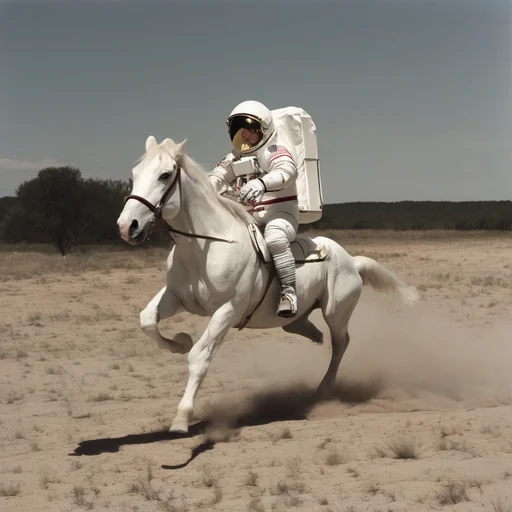
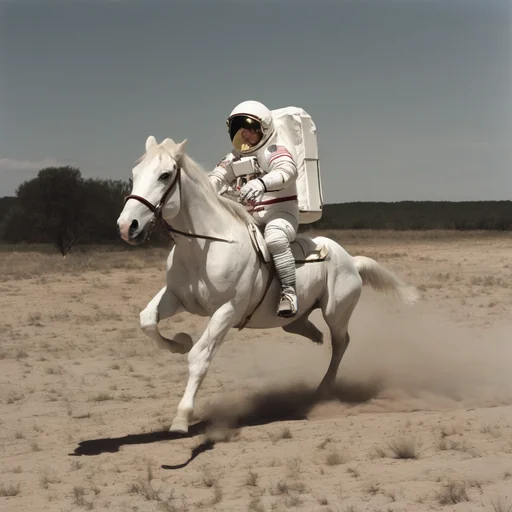 referenceimagehub
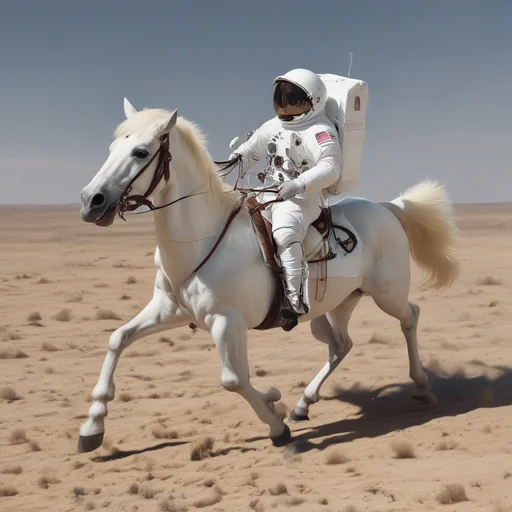
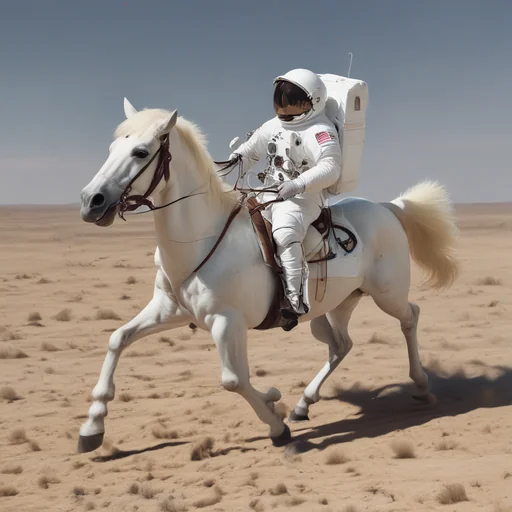 referenceimagehub
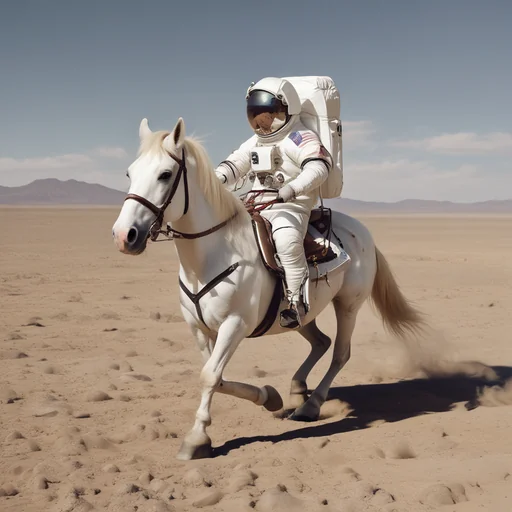
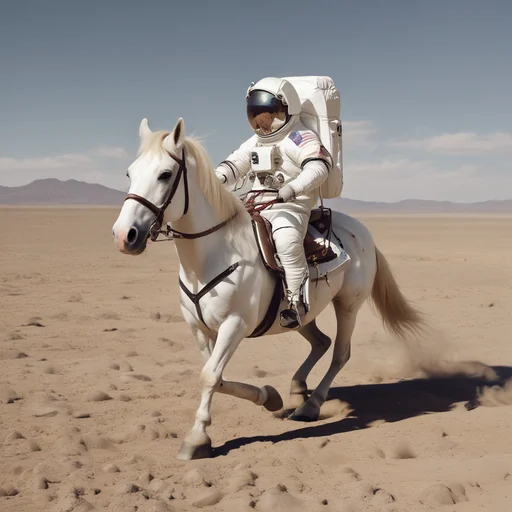 referenceimagehub
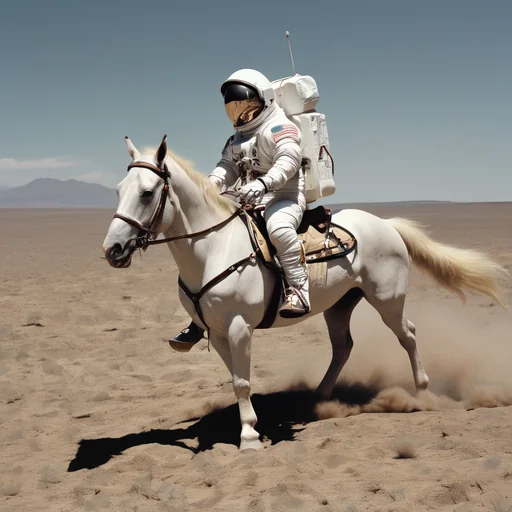
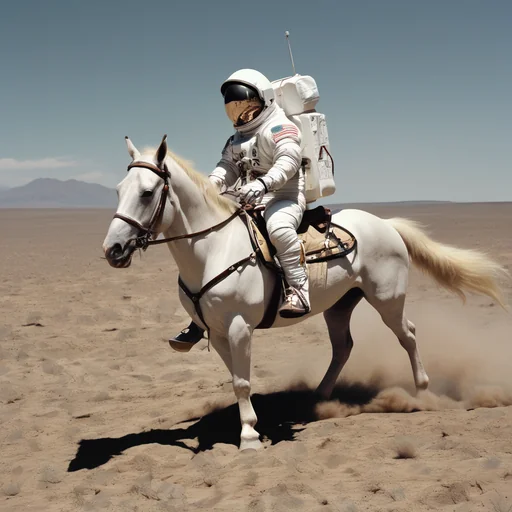 referenceimagehub
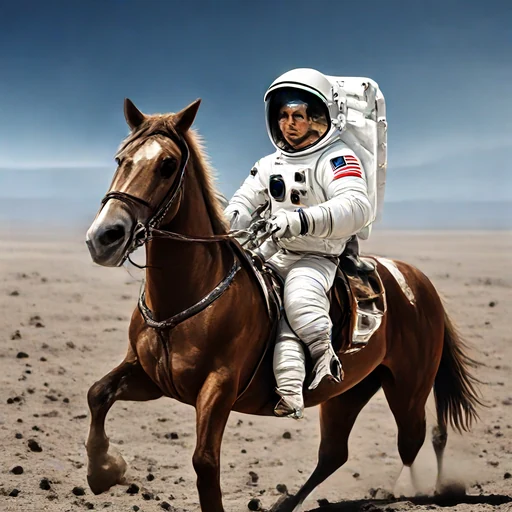
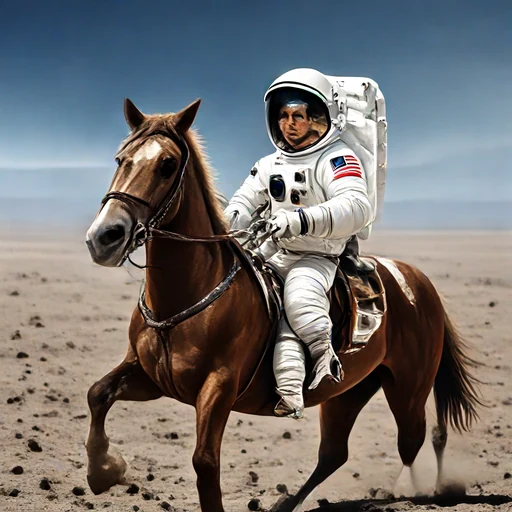 referenceimagehub
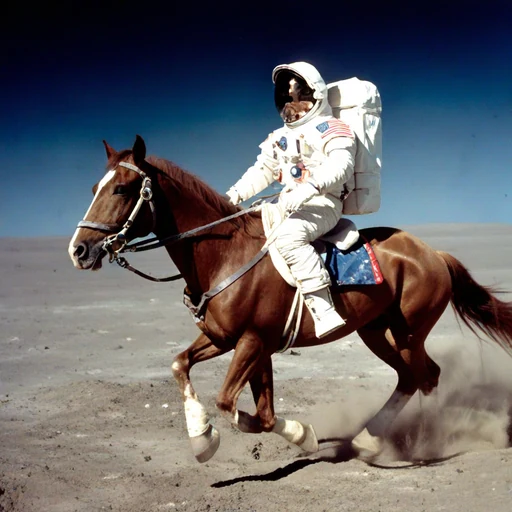
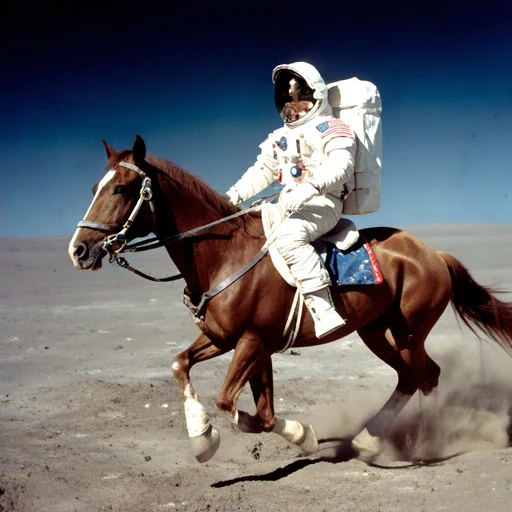 referenceimagehub
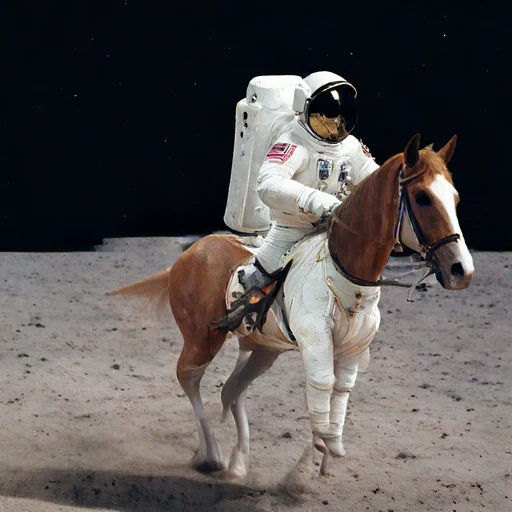
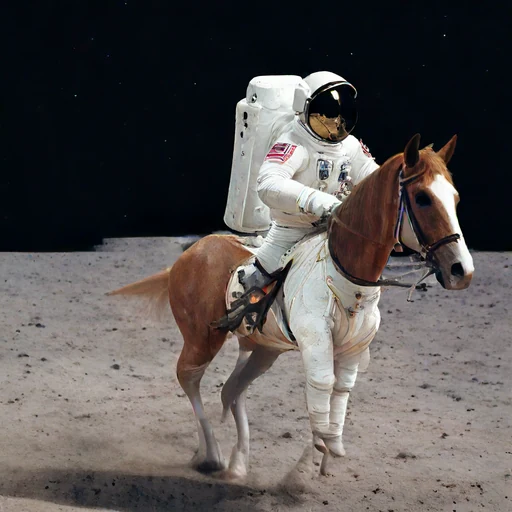 referenceimagehub
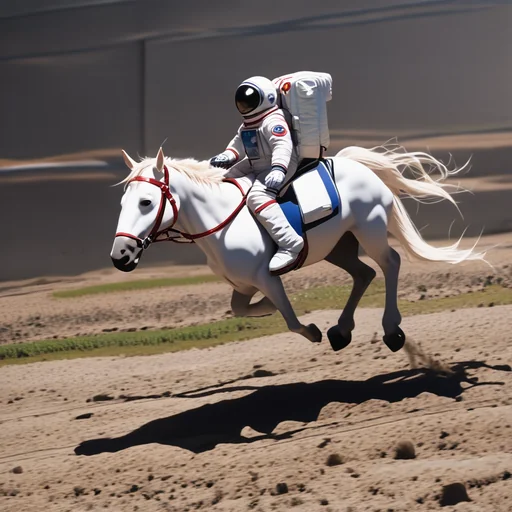
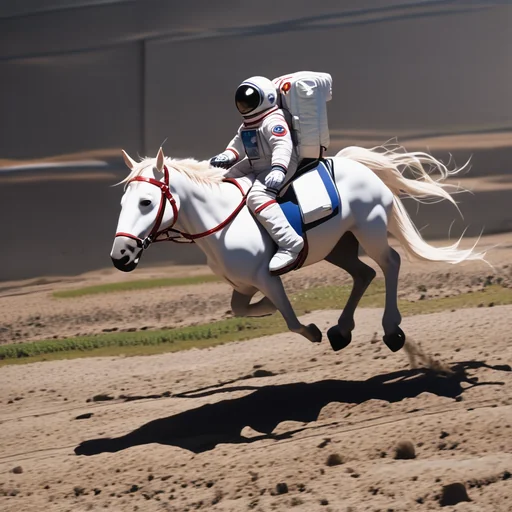 referenceimagehub
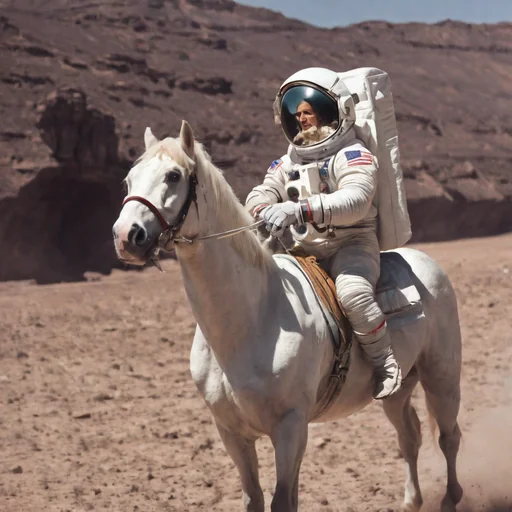
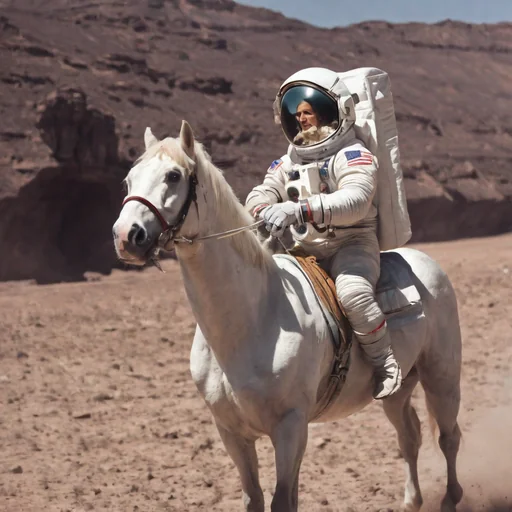 referenceimagehub
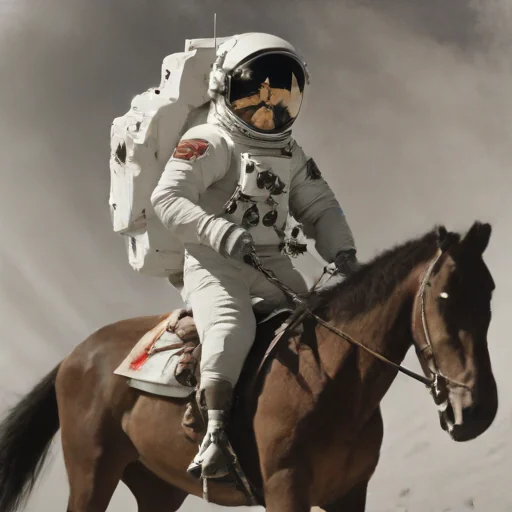
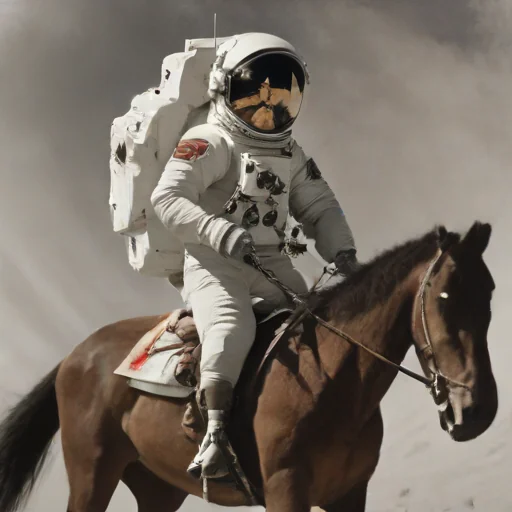 referenceimagehub
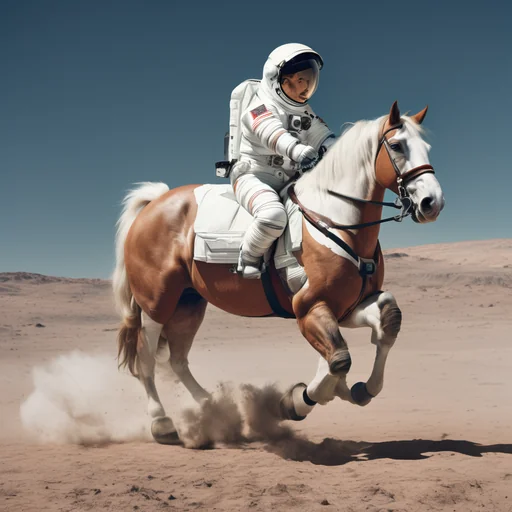
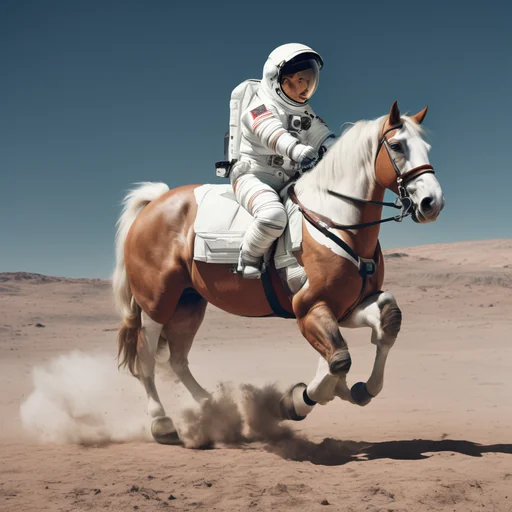 referenceimagehub
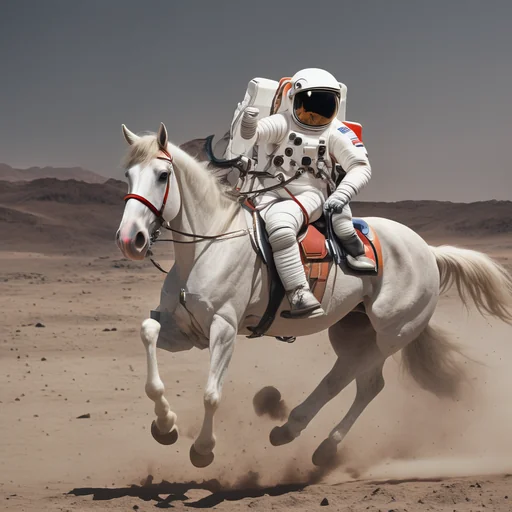
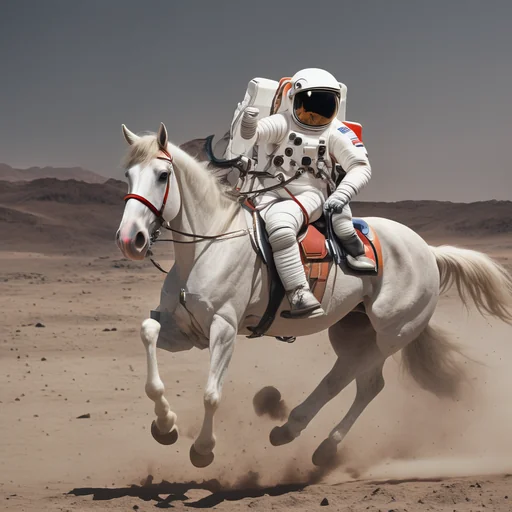 referenceimagehub
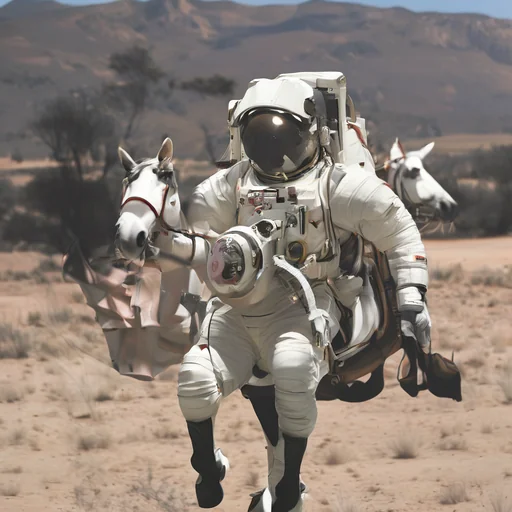
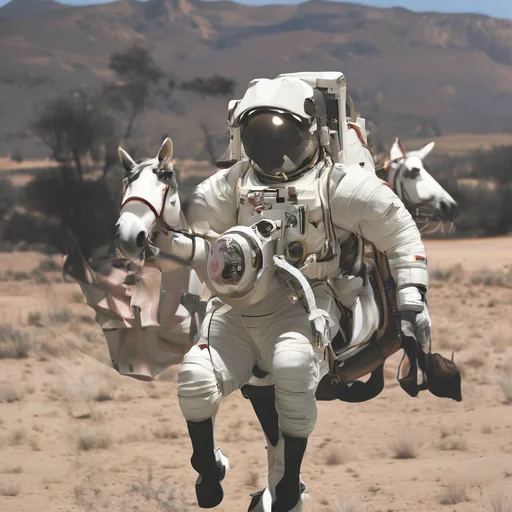 referenceimagehub
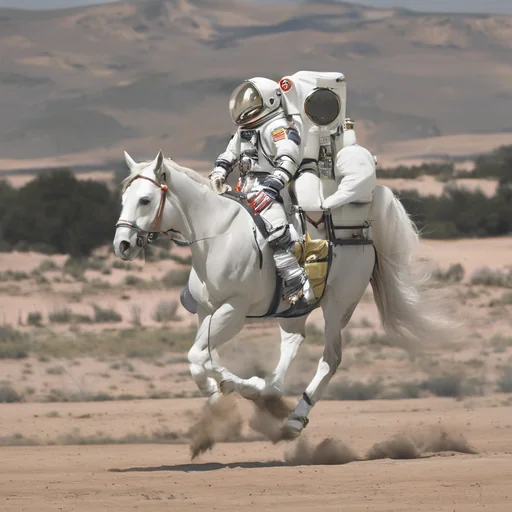
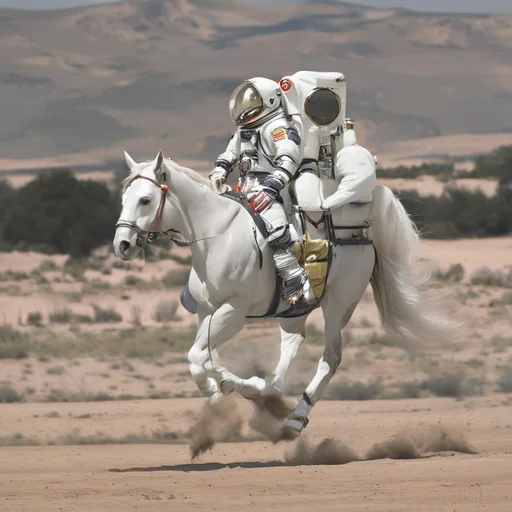 referenceimagehub
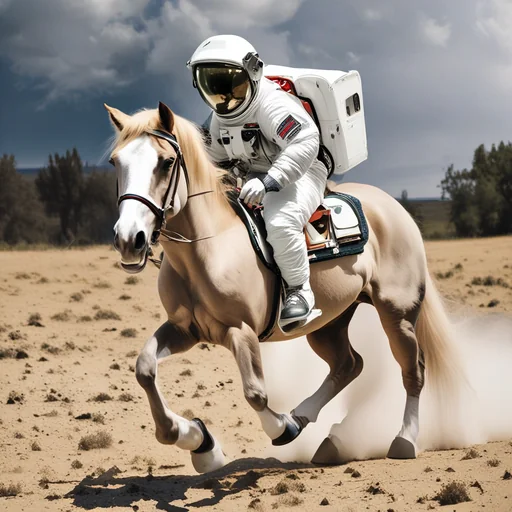
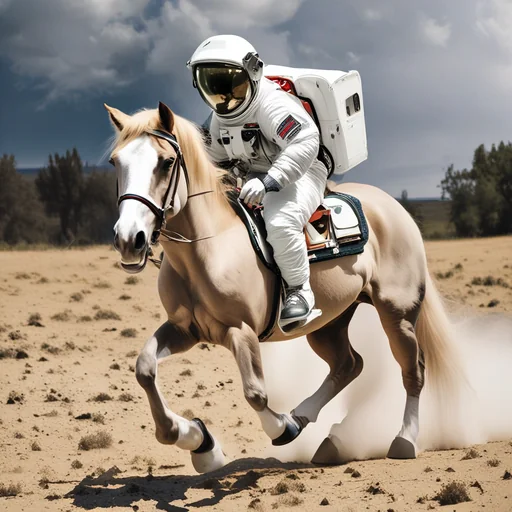 referenceimagehub
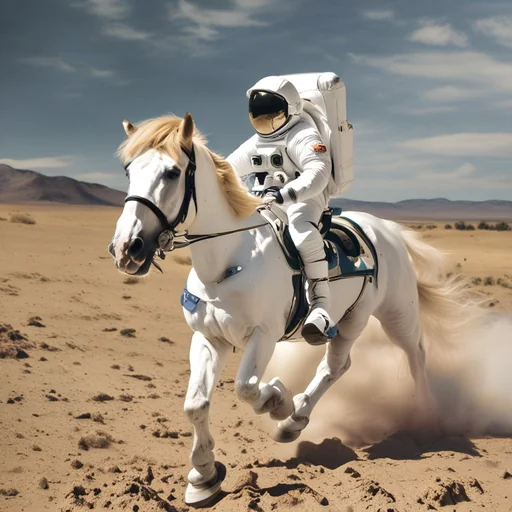
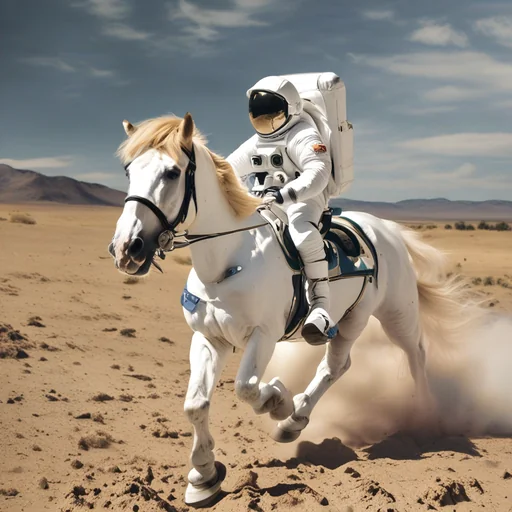 referenceimagehub
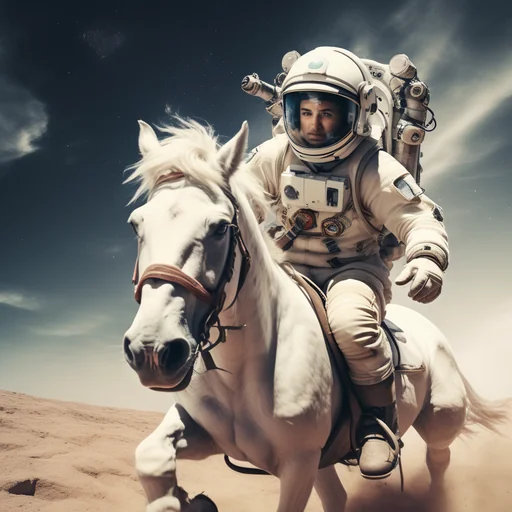
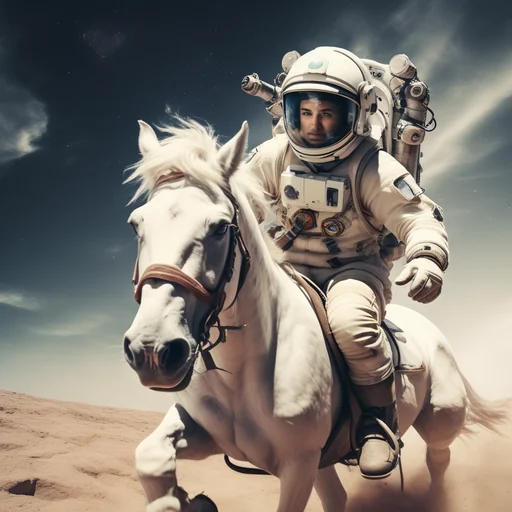 referenceimagehub
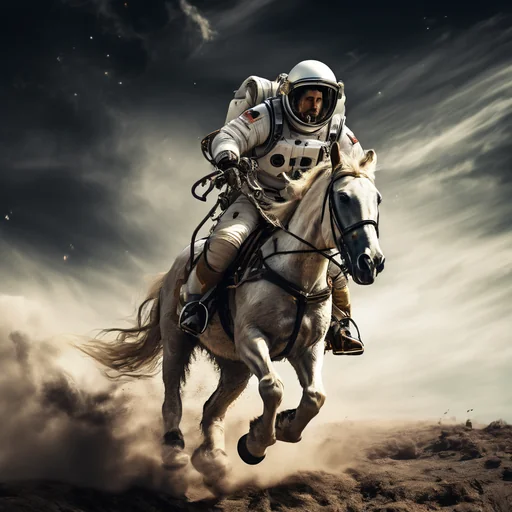
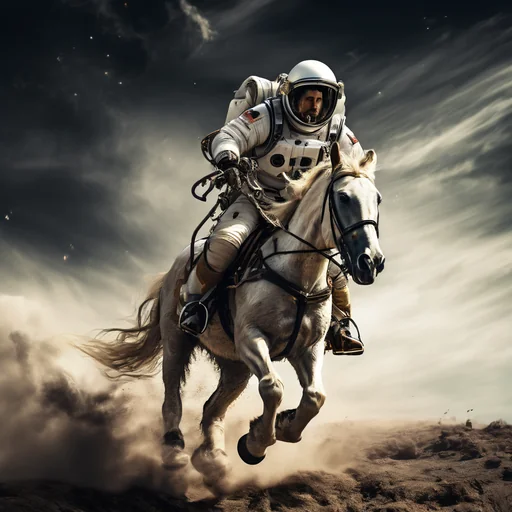 referenceimagehub